
Network Security
Zero-Trust Micro-segmentation
Zero Trust starts with an “assume breach” mindset. When an attacker breaks through the perimeter, micro-segmentation stops them in their tracks by locking down how workloads talk to each other.
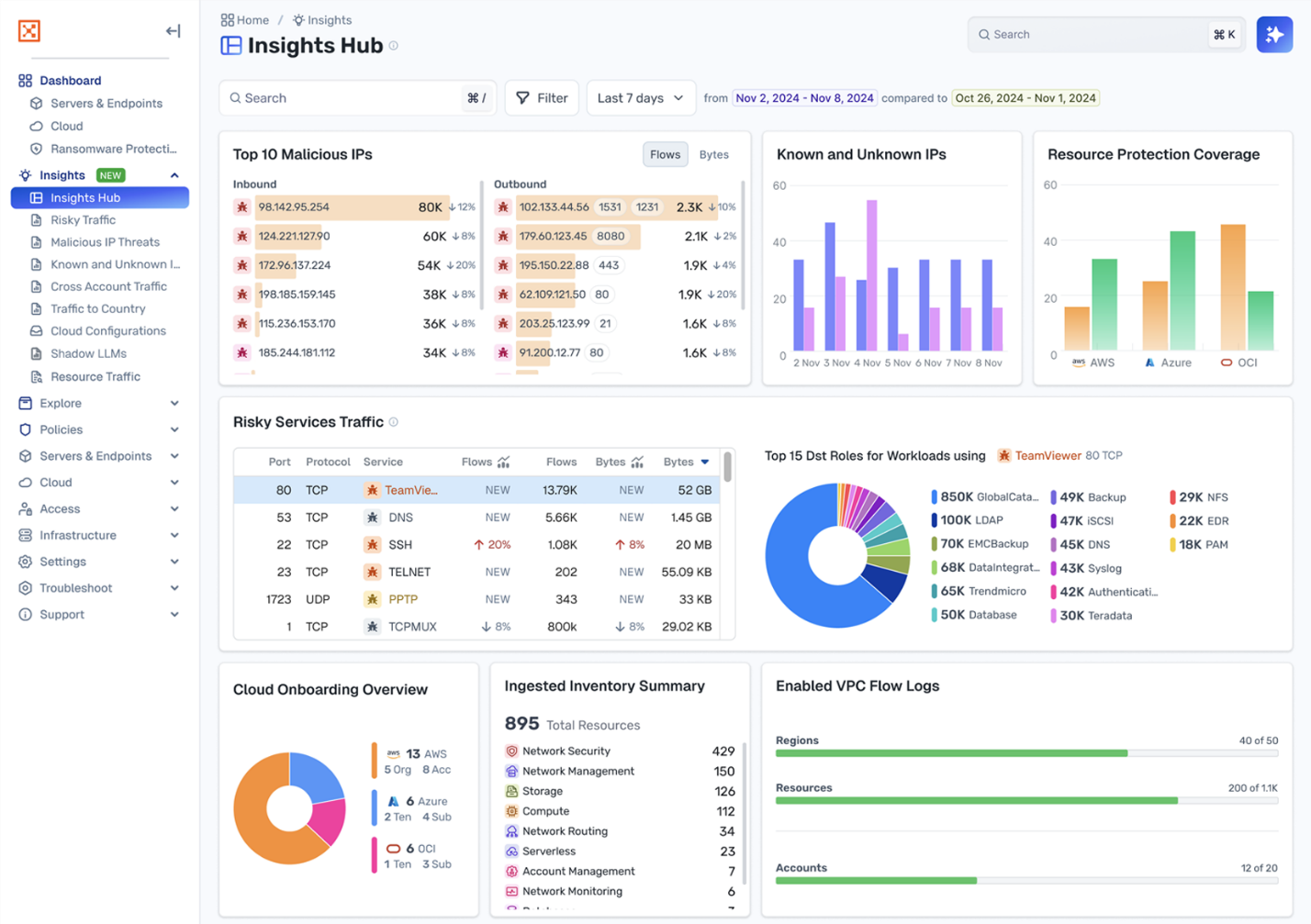
- See Real Traffic Flows | Map how apps and servers actually communicate so you can spot hidden attack paths.
- Lock Down Connections | Block unauthorized lateral movement between workloads without breaking daily business operations.
- Adapt as You Scale | Keep security policies updating automatically whenever you spin up new cloud servers or move workloads.
Application Risk Mapping
See How Systems Interact
Maps live connections between apps so you can see where your network is exposed.
Least-Privilege Enforcement
Stop Threats from Spreading
Restricts traffic to approved channels only, containing breaches before they reach core databases.
Adaptive Posture Control
Keep Policies Up to Date
Adjusts security rules automatically as workloads shift, expand, or move to the cloud.
Network Visibility
Your monitoring tools shouldn't spend compute power processing duplicate packets or encrypted noise. Streamline your traffic pipeline to maximize tool performance and stretch your security budget.
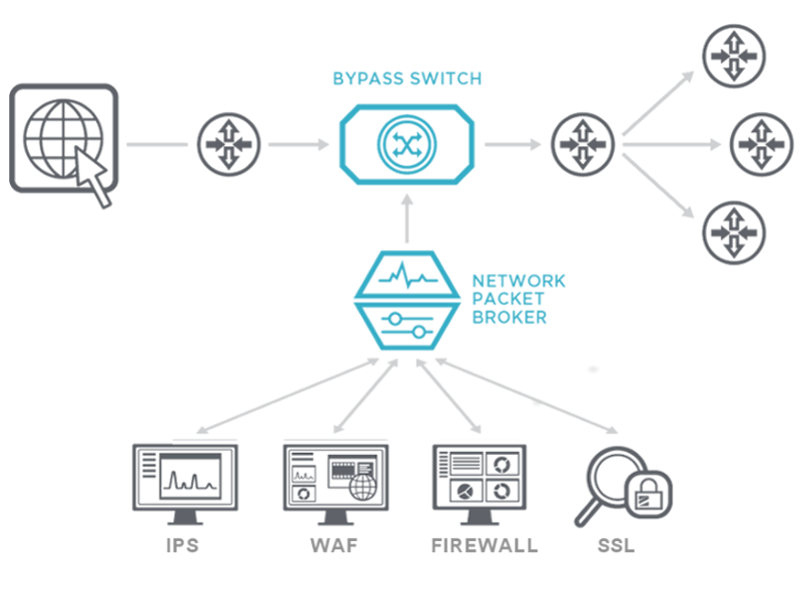
- Capture Everything | Tap into high-speed physical and cloud networks without adding risk or latency.
- Deduplicate & Filter | Block unauthorized lateral movement between workloads without breaking daily business operations.
- Decrypt Once, Inspect Anywhere | Offload heavy TLS decryption from individual tools to a single, high-performance point of analysis.
Lossless Packet Capture
Get 100% Traffic Visibility
Copies raw network data in real time without adding lag or creating a single point of failure.
Intelligent Traffic Optimization
Prevent Security Tool Overload
Removes duplicate traffic and trims headers so your monitoring tools only inspect useful data.
Inline SSL/TLS Decryption
Expose Hidden Threats in HTTPS
Centralizes traffic decryption so individual security appliances don't run out of computing power.
Infrastructure Health Monitoring
Get a clear line of sight across your entire setup—from local servers to multi-cloud environments—so you can fix outages before users notice.
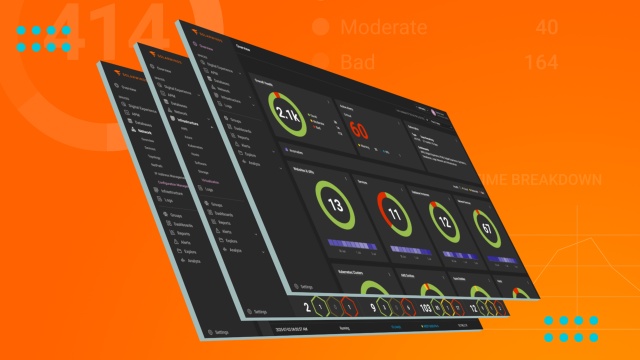
- Monitor Everything in One Place | Track physical servers, virtual machines, containers, and cloud apps from a single view.
- Map System Connections | See exactly how infrastructure components connect so you can trace the root cause of slow performance.
- Fix Issues Faster | Cut down troubleshooting times by instantly spotting where network bottlenecks and server errors start.
Hybrid Infrastructure Management
One View Across Your Environment
Monitors hardware, private data centers, and public cloud platforms side by side.
Centralized Performance Dashboard
Stop Switching Between Tools
Bring infrastructure health and performance data together in one place.
Interactive Topology Mapping
Understand Your Infrastructure
Visualize relationships and dependencies across your monitored environment.
Full-Stack Network Monitoring
Check Health from Bare Metal to Pods
Gives you full visibility into databases, Kubernetes clusters, and physical network gear.
Unified Threat Management
Fragmented security stacks add unnecessary hardware cost and network latency. UTM combines core perimeter controls—firewalling, IPS, web filtering, and app control—into a single inspection engine.
- Simplify Daily Management | Control web filters, threat policies, and network rules from one screen instead of managing five different devices.
- Cut Down IT Expenses | Save money on hardware, maintenance fees, and complex software licenses by consolidating your stack.
- Block Threats Right at the Edge | Stop malicious sites, spam, and incoming attacks before they ever touch your internal network.
Centralized Management
Manage Security from One Screen
Combines policy creation, activity logging, and firewall rules inside a single admin panel.
Cost-Effective Defense
Reduce Hardware and License Costs
Replaces multiple standalone security boxes with an all-in-one appliance to cut down overhead.
Elevated Threat Awareness
Catch Risks Across All Traffic
Pulls network logs into one clear view to highlight suspicious activity and weak spots fast.
Rapid Incident Response
Block Attacks Instantly
Triggers automated rules to drop bad connections and isolate compromised devices immediately.