
Security Operations
Security Information & Event Management (SIEM)
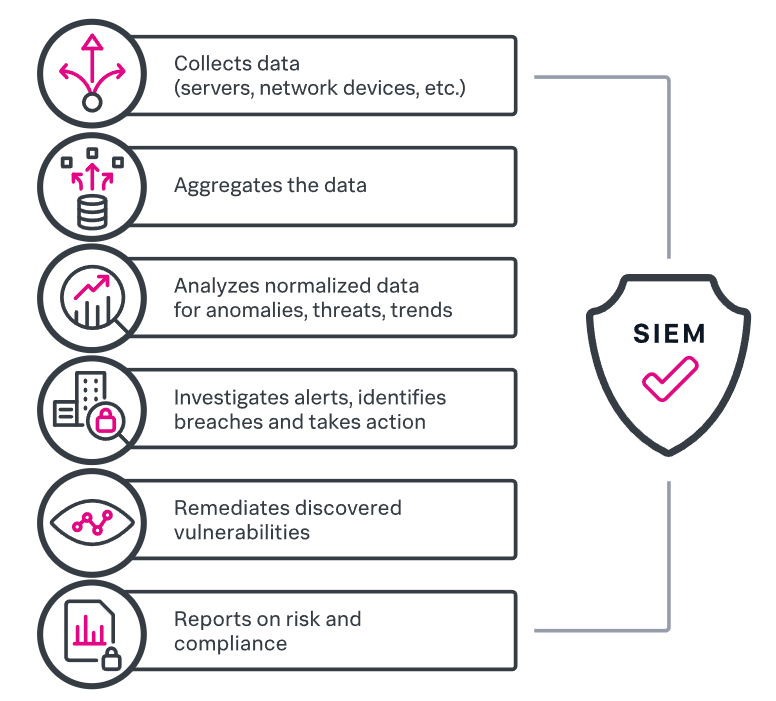
Security events rarely tell the whole story on their own. Bring them together to connect the dots, investigate what happened, and understand what deserves attention.
- Centralized Event Collection | Bring logs and events from different sources into one security platform.
- Event Correlation | Connect related activity to uncover patterns that individual events may miss.
- Risk-Based Prioritization | Focus investigations on activity that carries greater potential risk.
Full-Environment Visibility
Follow the Activity
Trace events across users, devices, applications, and infrastructure.
Alert Noise Reduction
Less Noise, More Context
Group related events and bring higher-risk activity into focus.
Scalable Architecture
Ready for What Comes Next
Add new data sources and expand security monitoring as your environment grows.
AI-Powered Security Operations Center (SOC)
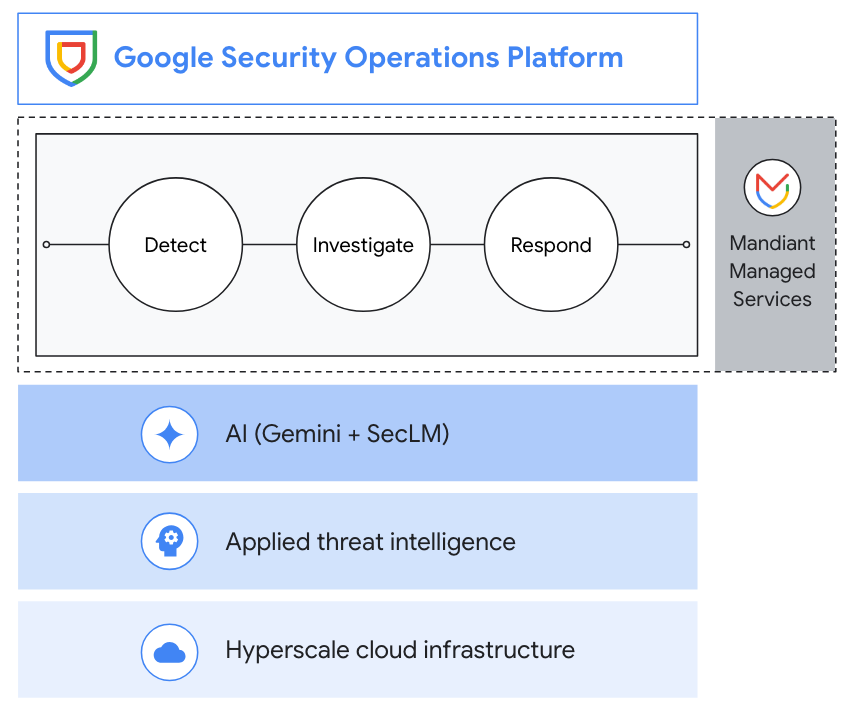
Move from alert handling to faster, more informed investigations. AI helps connect evidence, explain what happened, and guide the next steps.
- AI-Powered Investigation | Analyze security events and gather relevant evidence across an investigation.
- Threat Context | Connect activity across different security sources to reveal the bigger picture.
- Response Assistance | Support analysts with summaries, recommendations, and automated investigation tasks.
Agentic OODA Loop
Let AI Handle the Legwork
AI agents can investigate security events and carry out defined tasks across the workflow.
Automated Alert Consolidation
Turn Alerts Into Incidents
Group related security signals together so analysts can focus on the bigger picture.
Multi-Source Contextual Mapping
Connect the Dots
Bring together evidence from different security sources to uncover relationships and attack paths.
Continuous Machine Learning
Keep Detection Evolving
Use AI-driven analysis to improve threat detection and support changing security environments.
Security Orchestration, Automation, and Response (SOAR)
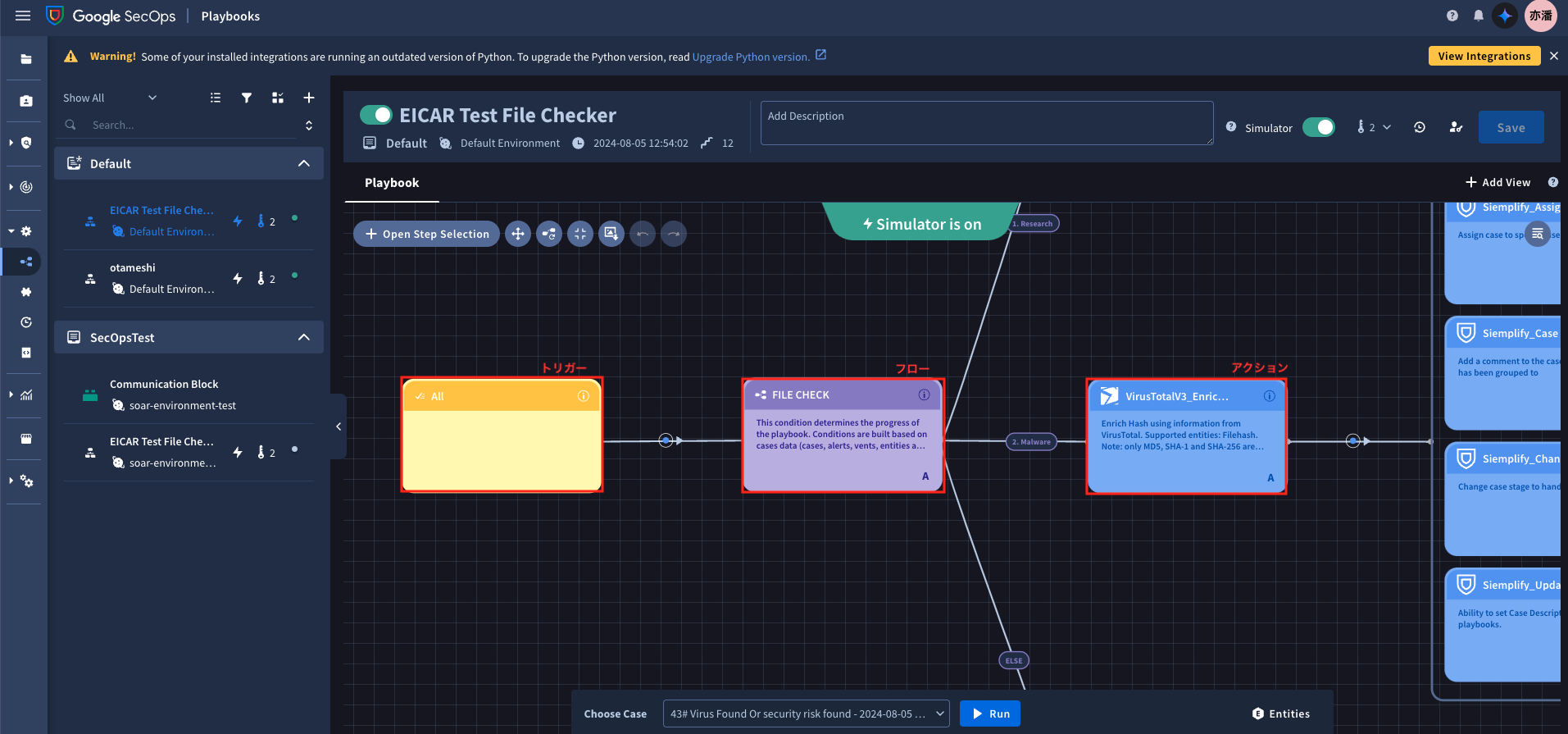
Turn security procedures into faster, more consistent response workflows. Connect your security tools, automate routine actions, and keep incidents moving.
- Connected Security Tools | Bring different security products together within a single response workflow.
- Automated Response Workflows | Trigger predefined actions to handle repetitive incident response tasks.
- Consistent Incident Handling | Standardize response steps and keep teams aligned across different types of incidents.
Intelligent Threat Analytics
Make Sense of Security Data
Analyze security events and surface useful findings for faster investigation.
Sub-Second Incident Response
Move Quickly When It Matters
Speed up searches, enrichment, and response actions during active incidents.
Workflow Automation & Custom Playbooks
Turn Procedures Into Actions
Automate repeatable response steps with workflows built around your team's processes.
Cloud-Scale Performance
Ready for Growing Environments
Handle increasing data volumes across cloud, hybrid, and distributed environments.
Global Threat Intelligence
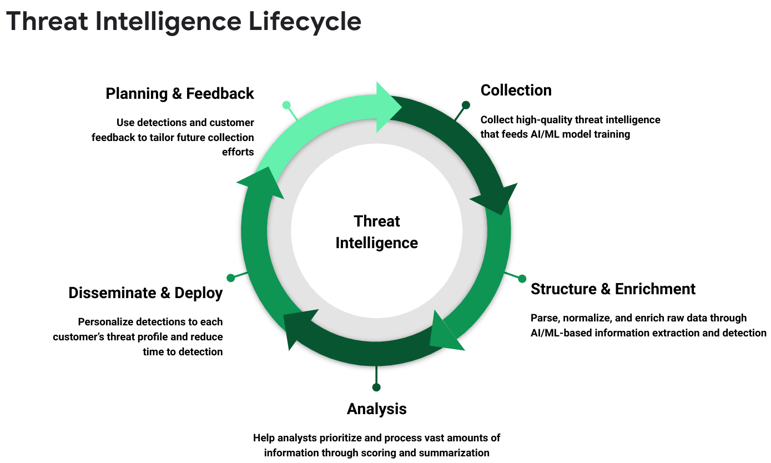
Know more than just the indicator. Add context around threats, understand the activity behind them, and use intelligence to guide security decisions.
- Threat Context | Enrich indicators with information about related threats, infrastructure, and activity.
- Adversary Intelligence | Understand threat actors, campaigns, and tactics linked to observed activity.
- Actionable Intelligence | Turn threat information into useful insights for detection, investigation, and response.
Unified Threat Validation
Separate Signal From Noise
Combine intelligence from multiple sources to assess suspicious indicators with greater confidence.
Strategic Adversary Attribution
Put the Threat Into Context
Connect malicious indicators with threat actors, campaigns, and related infrastructure.
Localized Regional Focus
Stay Ahead of Regional Threats
Track activity and campaigns relevant to specific regions and industries.
Operational Rule Enforcement
Turn Intelligence Into Action
Use threat intelligence to support detection rules, blocking policies, and other security controls.
External Risk Rating
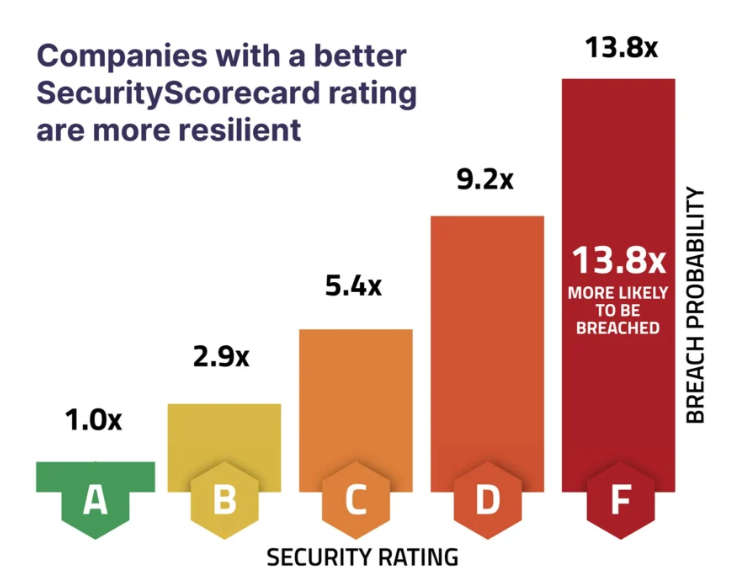
See how your organization looks from the outside. Monitor external security signals, assess third-party risk, and use clear ratings to support better business decisions.
- External Security Visibility | Understand your security posture through signals visible from outside your network.
- Third-Party Risk Assessment | Monitor vendors and partners for changes that could affect your supply chain.
- Risk Benchmarking | Compare security performance across peers, vendors, and industry expectations.
Automated Vendor Discovery
A Clearer View of Your Supply Chain
Monitor third parties and their external security signals in one place.
Industry Benchmarking
How Do You Compare?
Use peer and industry comparisons to put security performance into perspective.
Continuous Compliance Mapping
Keep Governance on Track
Monitor security findings and support ongoing risk management across third parties.